
Your skincare can glow-up your face or nuke your moisture barrier—depends on the combos. Some powerhouse ingredients cancel each other out or crank irritation to 11. If your skin has been “mysteriously” angry, this might be why. Let’s cut the guesswork and keep your routine effective (and calm).
1. Vitamin C + AHAs/BHAs: The Glow Duo That Backfires

We all love a brightening moment, but pairing vitamin C with strong acids like glycolic acid (AHA) or salicylic acid (BHA) can be a ticket to redness and stinging. These formulas skew acidic and can overload your skin when used together. The result? Irritation, flaky patches, and a very unimpressed moisture barrier.
Why This Combo Misbehaves
- pH clash: L-ascorbic acid prefers a low pH, AHAs/BHAs also live low—but stacking them compounds exfoliation.
- Too much turnover: You strip, then you brighten, then your skin screams for help.
- Stability woes: Some forms of vitamin C destabilize when layered with acids, undercutting your results.
So what’s the move? Split them. Use acids at night for deep exfoliation and vitamin C in the morning for that antioxidant shield. Want to keep it simple? Try a gentler vitamin C derivative (sodium ascorbyl phosphate, tetrahexyldecyl ascorbate) if you insist on pairing with mild exfoliation.
Tips
- AM: Vitamin C under sunscreen for protection and brightness.
- PM: AHA/BHA 2–4 nights a week, not daily (unless your skin is unbothered and resilient—lucky you).
- Buffer irritation with a bland moisturizer after acids.
When to use this: You want glow and even tone without the chemical warfare. Seriously, give them different time slots.
2. Retinoids + Benzoyl Peroxide: Breakout Busters That Break Each Other

Retinoids smooth texture and fade spots; benzoyl peroxide (BPO) annihilates acne bacteria. Together though? You get dryness, peeling, and sometimes reduced retinoid activity. Basically, this duo picks a fight and your face loses.
Why This Combo Misfires
- Double dryness: Both increase cell turnover and can shred your barrier when combined.
- Potential deactivation: Older data suggests BPO can degrade some retinoids (like tretinoin) when layered—formulations have improved, but irritation remains a big issue.
- Inflammation spike: Angry, compromised skin breaks out more. Irony, right?
Work smarter. Alternate nights: benzoyl peroxide on Monday/Thursday, retinoid on Tuesday/Friday. Or use BPO as a short-contact cleanser in the morning and retinoid at night. Skin calms down, pimples still lose.
Tips
- Start retinoids 2–3 nights per week, then add BPO on separate nights.
- Sandwich retinoid with moisturizer if you’re sensitive (moisturizer → retinoid → moisturizer).
- Spot treat with BPO instead of full-face if dryness hits hard.
When to use this: You deal with acne but want that refined, pores-are-fake finish. Separate them and your skin will thank you.
3. Retinoids + AHAs/BHAs: Potent, Yes—But Also a Peeling Party

Retinoids already speed up skin turnover. Add glycolic, lactic, or salicylic acid and you might cross into over-exfoliation—think burning, flaking, and barrier damage. Can pros and very seasoned skincare lovers layer them? Sometimes. Do most people need to? Not really.
Why This Combo Overdoes It
- Barrier breakdown: Two drivers on the same accelerator.
- Inflammation loop: Irritation can trigger more oil and breakouts—so the fix becomes the problem.
- Sun sensitivity: Retinoids already increase sensitivity; acids pile on. SPF becomes non-negotiable (it always is, but especially here).
If you want both, stagger. Do acids on non-retinoid nights. Or try a gentle PHA (gluconolactone, lactobionic acid) instead of an AHA—PHAs exfoliate softly and hydrate, and your skin may actually chill.
How to Combine Without Chaos
- Alternate evenings: AHA/BHA twice weekly, retinoid on the other nights.
- Buffer technique: Moisturize first, then retinoid, to slow penetration.
- Listen to your face: Tightness, stinging, or flaking = cut frequency in half.
When to use this: Texture, clogged pores, or dullness need targeted action—but your barrier still needs kindness. Go low and slow.
4. Niacinamide + Pure Vitamin C (L-Ascorbic Acid): Great Separately, Touchy Together
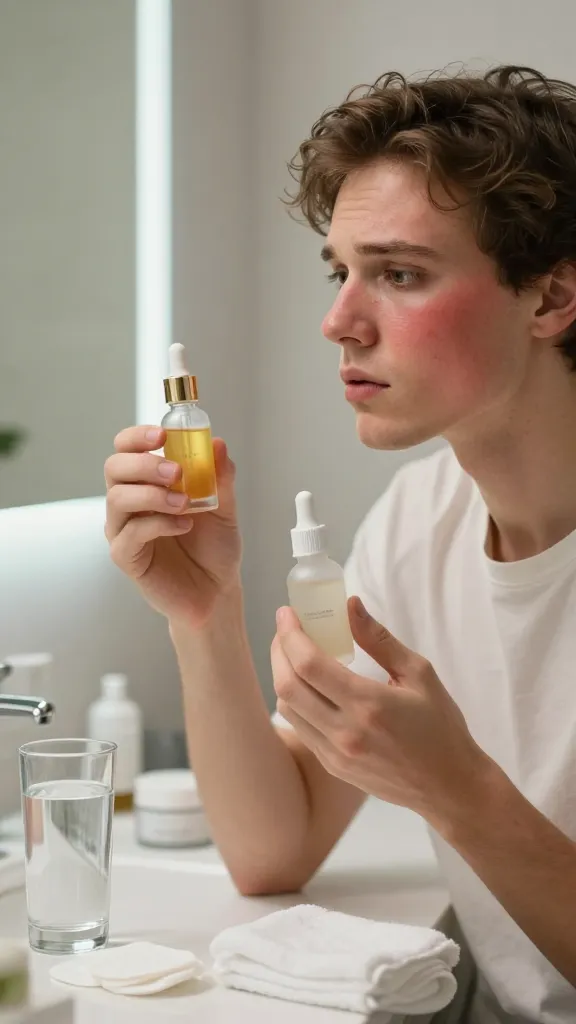
Yes, the internet loves a debate on this one. Modern formulas often play nice. But layering high-strength niacinamide (10%+) with pure L-ascorbic acid can trigger redness or flushing for some, especially with sensitive or reactive skin. Annoying? Absolutely. Avoidable? Also yes.
The Potential Clash
- Transient flushing: Niacinamide can convert to nicotinic acid in certain conditions, causing warmth/redness in sensitive folks.
- Too much of a good thing: Two actives targeting tone can overwhelm delicate skin.
- Texture pilling: Different consistencies and pH levels can make products ball up—fun times.
Strategy: Separate by routine or time of day. Vitamin C in the AM, niacinamide at night. Or stack a niacinamide 2–5% serum with a vitamin C derivative rather than pure LAA if you want all at once.
Practical Pairings
- AM: Vitamin C (LAA 10–20%) → moisturizer → sunscreen.
- PM: Niacinamide 2–5% → hydrating serum → moisturizer.
- Combo skin? Try niacinamide in your moisturizer so the concentration stays gentle.
When to use this: You want bright, even skin and tighter-looking pores. If your face flushes with the duo, split them and enjoy the wins without the drama.
5. Exfoliating Acids + Physical Scrubs + Harsh Cleansers: Triple Threat to Your Barrier

If your routine sounds like a car wash—scrub, peel, foam—your skin probably feels like cardboard. Stacking physical exfoliants with strong AHAs/BHAs and a stripping cleanser is the fastest route to irritation and breakouts. Overworked skin gets inflamed and then overproduces oil. It’s a cycle.
Why This Combo Wrecks Your Face
- Mechanical + chemical assault: You sand it, then you dissolve it. Your barrier taps out.
- Foaming surfactants: High-pH or harsh cleansers raise skin pH and dehydrate.
- Backfire breakouts: Compromised barrier = more sensitivity, redness, and yes, more pimples.
You don’t need all three. Pick one category of exfoliation and keep your cleanser gentle. Your barrier’s job is to protect you; let it do that without constant sabotage.
Build a Smarter Routine
- Choose one exfoliant: AHA/BHA 2–3 times weekly OR a mild scrub once weekly. Not both on the same day.
- Use a low-foam, pH-balanced cleanser with glycerin or ceramides.
- Add barrier support: Look for ceramides, cholesterol, fatty acids, panthenol, and centella.
When to use this: Your skin feels tight, shiny, and flaky at the same time, or products suddenly sting. Pull back, simplify, and rebuild that barrier.
Bonus Section (FYI, Not a Numbered Item): Other Tricky Mixes to Watch
- Retinoids + Vitamin C (same routine): Can be fine for some, but many do better splitting AM/PM.
- Hydroquinone + Strong Acids/Retinoids: Possible under derm guidance; solo use at home if you’re new.
- Benzoyl Peroxide + AHAs/BHAs: Drying combo—use carefully or alternate.
- Fragrance-heavy products + Actives: Increases irritation risk on already stressed skin.
IMO, keep actives minimal and intentional. You’ll see clearer, calmer results.
How to Stack Your Routine Without Accidental Chaos
- AM anchor: Gentle cleanse → hydrating serum → vitamin C (optional) → moisturizer → sunscreen.
- PM anchor: Cleanse → one active (retinoid OR acid OR BPO) → moisturizer.
- Patch test: New product? Test behind the ear or along the jawline for 3–5 days.
- Frequency over strength: Use moderate formulas consistently rather than nuking once a week.
- Watch your barrier: Burning, persistent redness, and scaling mean you should pause actives and repair.
Barrier Repair Kit (When You Went Too Hard)
- Cleanser: Creamy, non-foaming, pH ~5.5.
- Moisturizer: Ceramides, cholesterol, fatty acids, squalane.
- SOS add-ons: Panthenol, allantoin, colloidal oatmeal, centella asiatica.
- Stop actives for 3–7 days and drown your skin in moisture. Trust me, it works.
Common Questions
- Can I use retinoids and acids if my skin is sensitive? Yes, but not together. Start with one, once weekly, then build up.
- Do vitamin C derivatives mix better? Often. THD ascorbate and magnesium ascorbyl phosphate tend to play nice with other steps.
- What about layering order? Thin to thick, water to oil—except sunscreen always goes last in the morning.
- Do I need all these actives? No. Most people thrive on sunscreen, a gentle cleanser, a solid moisturizer, and one hero active.
Bottom line: You don’t need a 12-step lab experiment to have great skin. Keep the heavy hitters off each other’s turf, feed your barrier, and let consistency do the heavy lifting. Your face will be calmer, clearer, and way less dramatic.
Ready to stop playing ingredient roulette? Start by splitting these pairs and notice how fast your glow returns. Keep it simple, stay curious, and remember—the best routine is the one your skin actually tolerates.