Your skin wants consistency, not a 27-step science experiment. This simple routine cuts through the noise and gives you glow without the drama. We’re talking predictable results, fewer breakouts, and a calmer moisture barrier. Ready to upgrade your face with less effort and more payoff?
We’ll keep it friendly, fast, and foolproof. Short steps, smart products, and zero gatekeeping. Let’s get your skin clean, smooth, hydrated, and happy—daily.
1. Cleanse Smart, Not Harsh
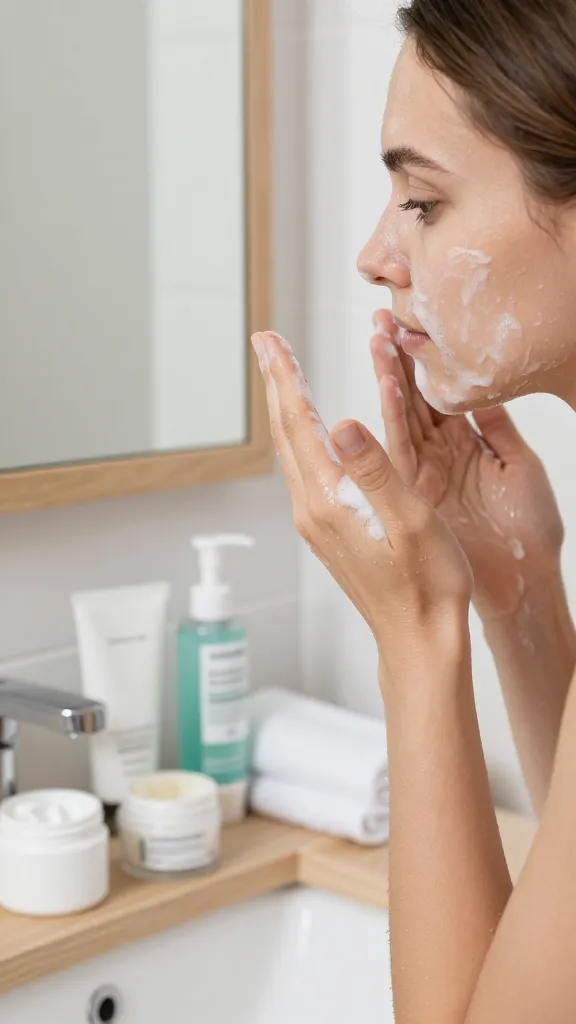
A good cleanse makes everything else work better. It clears sweat, sunscreen, oil, and makeup without bulldozing your moisture barrier. When your cleanser behaves, your skin stays soft, not squeaky.
How To Pick Your Cleanser:
- Normal/Combo: Gentle gel or lotion cleanser that rinses clean.
- Oily/Acne-Prone: Low-foam gel with salicylic acid a few times a week.
- Dry/Sensitive: Cream or milk cleanser with ceramides or glycerin.
- Makeup/Sunscreen Users: Double cleanse: oil/balm first, then your regular cleanser.
Tips:
- Use lukewarm water. Hot water = tight, cranky skin.
- Massage for 30–60 seconds. Rushing doesn’t remove SPF properly.
- Morning cleanse optional if your night routine stays light. A gentle rinse works fine for many.
Clean skin lets treatments penetrate, reduces clogged pores, and minimizes irritation from over-cleansing. If your face feels tight after, your cleanser is too strong. Swap it—your barrier will thank you.
2. Exfoliate Like You Mean It (But Not Daily)

Exfoliation smooths texture, clears pores, and brightens dullness. The trick? Use the right acids at the right frequency, and stop scrubbing like you’re polishing a frying pan. Trust me, less is more.
Your Exfoliation Menu:
- Salicylic Acid (BHA, 0.5–2%): Gets inside pores, breaks up oil—great for blackheads and breakouts.
- Glycolic/Lactic Acid (AHA, 5–10%): Surface smoothing and glow. Lactic is gentler and hydrates too.
- PHA: Ultra-gentle option for sensitive or barrier-compromised skin.
How To Use Without Wrecking Your Barrier:
- Start 1–2 nights a week. Work up to 2–3 if your skin handles it.
- No gritty scrubs on angry or acneic skin. That’s a fast track to redness.
- Skip retinoid on the same night if you’re new to actives. Alternate nights while you figure out your tolerance.
- Always follow with a moisturizer. Happy skin exfoliates better.
When to use this: if you want brighter tone, fewer bumps, and smoother makeup days. If your face stings or flakes constantly, pull back. Balanced skin beats over-exfoliated skin every time.
3. Treat With Intent: Vitamin C By Day, Retinoid By Night

Targeted serums deliver the results you actually want: fewer dark spots, clearer pores, smoother lines. Keep it simple and strategic—one active in the morning, one at night. No chemistry degree required.
AM: Vitamin C (Antioxidant + Glow)
- L-ascorbic acid (10–15%): Potent for brightening and protecting against pollution.
- Gentler forms (e.g., sodium ascorbyl phosphate): Better for sensitive skin.
- Layer after cleansing, before moisturizer and sunscreen.
PM: Retinoid (Smoother Texture + Clearer Pores)
- Retinol: Great entry point for most skin types.
- Adapalene (0.1%): Over-the-counter option that targets acne and texture.
- Start 2–3 nights a week, then increase as tolerated. Use the “sandwich” method (moisturizer, retinoid, moisturizer) if sensitive.
If You’re Acne-Prone:
- Niacinamide (2–5%): Calms redness, balances oil, supports barrier.
- Azelaic acid (10%): Gently brightens and fights breakouts without irritation.
Benefits: brighter mornings, smoother nights, and less drama overall. FYI: more serums doesn’t mean more results—stick to one or two actives you’ll actually use consistently.
4. Moisturize To Balance, Not Smother
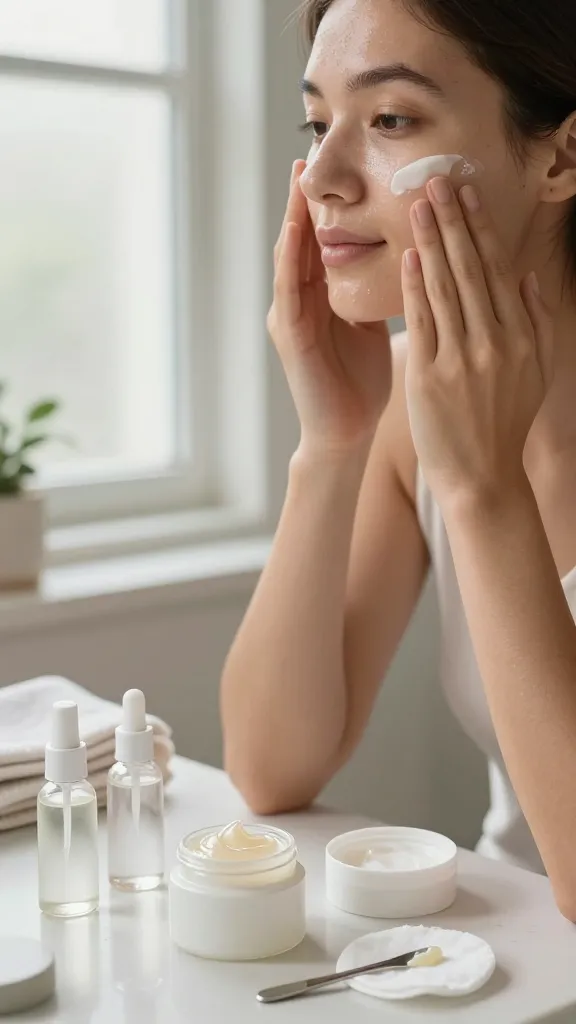
Moisturizer locks in hydration, supports your barrier, and keeps your face from going full lizard. The right texture depends on your skin and climate, not your vibe on TikTok.
Choose Your Texture:
- Gel-cream: Best for oily and combo skin or humid weather.
- Cream: Best for normal to dry skin or colder months.
- Ointment or balm (as a spot layer): For flaky patches or post-exfoliation nights—dab, don’t slather.
Ingredients That Pull Their Weight:
- Humectants: Glycerin, hyaluronic acid, urea draw in water.
- Emollients: Squalane, triglycerides, fatty alcohols smooth and soften.
- Occlusives: Petrolatum, dimethicone seal moisture in.
- Barrier boosters: Ceramides, cholesterol, fatty acids repair and calm.
Smart Application:
- Apply to slightly damp skin to lock in hydration.
- Use a pea to nickel size—enough to feel cushy, not greasy.
- At night, consider a moisture sandwich: mist or essence, moisturizer, then a thin occlusive on flaky spots.
Use a lighter option in the morning under sunscreen, then go richer at night if needed. Balanced hydration means fewer breakouts, less redness, and makeup that behaves. Seriously, moisturizer is your wingman.
5. Sunscreen: The Non-Negotiable Glow Shield

No sunscreen, no routine. UV breaks down collagen, triggers hyperpigmentation, and irritates acne—yes, really. SPF is the simplest anti-aging and anti-breakout move you can make.
What To Look For:
- SPF 30 or higher with broad-spectrum protection.
- Texture that suits you: gel for oily, lotion for normal, cream for dry, stick for on-the-go, tinted if you want to neutralize redness.
- Mineral (zinc/titanium): Great for sensitive or reactive skin.
- Chemical filters: Thinner, easier-to-layer formulas with less white cast.
How To Apply (So It Actually Works):
- Use two finger lengths for face and neck, or a nickel-sized dollop.
- Reapply every 2–3 hours outdoors, or after sweating/swimming.
- Indoors? Still apply if you sit near windows. Tinted mineral sunscreens help against visible light that worsens dark spots.
Benefits: more even tone, fewer fine lines, and protection from that “why am I suddenly spotty?” moment after a sunny weekend. IMO, sunscreen is the difference between “nice skin” and “wow, what do you use?”
Putting It All Together: A Simple Daily Routine
- Morning: Cleanser (optional rinse if you’re dry), Vitamin C or Niacinamide, Moisturizer, Sunscreen.
- Night: Cleanser, Exfoliant (2–3x/week) or Retinoid (alternate nights), Moisturizer.
Weekly+ Extras (Only If You Need Them)
- Hydrating mask with aloe, glycerin, or beta-glucan after a rough day.
- Clay mask once a week for oily T-zones—keep it slightly damp, don’t let it crack.
- Spot treatment with benzoyl peroxide or sulfur on active breakouts, not all over.
Common Pitfalls To Dodge
- Over-exfoliating: Redness, stinging, and flakes = dial it back.
- Mixing everything at once: Introduce one new product per week to see what works.
- Skipping moisturizer if you’re oily: Dehydrated skin overproduces oil. Balance it instead.
- Not using enough SPF: Under-application is basically wearing none. Be generous.
Budget-Friendly, High-Impact Picks (General, Not Brand-Specific)
- Cleanser: Fragrance-free gel or cream with glycerin or ceramides.
- Exfoliant: 2% BHA or 5–10% AHA toner/serum.
- Vitamin C: 10–15% serum or a gentler derivative if sensitive.
- Retinoid: OTC retinol or adapalene 0.1% gel.
- Moisturizer: Lightweight gel-cream for day; richer ceramide cream for night.
- Sunscreen: SPF 30–50 broad-spectrum in a texture you’ll actually reapply.
Skin-Type Cheat Sheet
- Oily: Gel cleanser, BHA nights, niacinamide AM, gel-cream moisturizer, lightweight SPF.
- Dry: Cream cleanser, lactic/PHA weekly, gentle vitamin C or skip, richer moisturizer, creamy SPF.
- Combo: Gel cleanser, spot-exfoliate T-zone, retinoid 2–3x/week, flexible moisturizer, lotion SPF.
- Sensitive: Fragrance-free everything, PHA or azelaic acid, low-strength retinol or none, mineral SPF.
How To Know It’s Working
- Weeks 1–2: Skin feels softer, less tight. Fewer new bumps.
- Weeks 3–6: Brighter tone, smoother texture, pores look cleaner.
- Weeks 8–12: Faded dark spots, more even complexion, fine lines look softer.
If irritation persists longer than two weeks, simplify: cleanser, moisturizer, sunscreen. Then reintroduce one active at a time.
That’s it—five steps, big impact. Your skin doesn’t need perfection, it needs consistency. Start simple, adjust slowly, and enjoy the glow-up. You’ve got this, and your future selfies will confirm it.