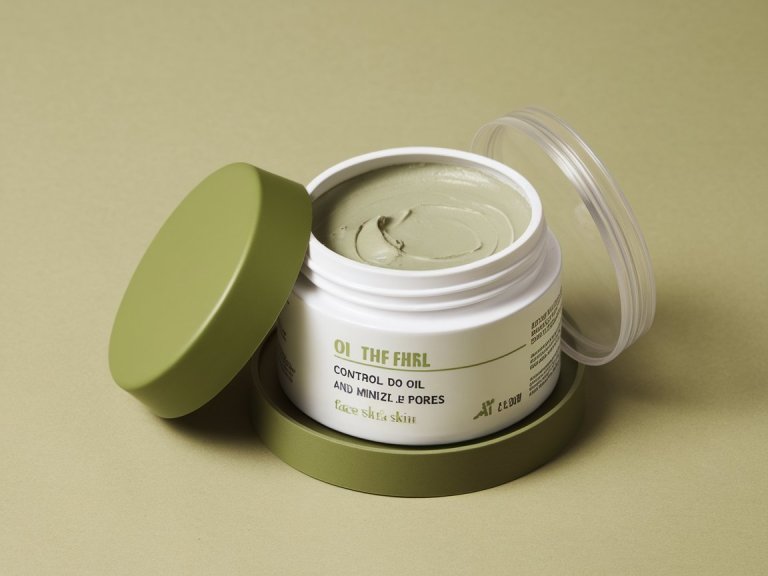
You want a face mask that does more than sit there and look cute? Meet the black face mask. It gets gritty with your pores, pulls gunk like a magnet, and leaves your skin feeling cleaner than your browser after clearing history. If your face looks shiny by noon or your pores could double as tiny storage units, this one’s for you.
Why Black Face Masks Work So Well
Black face masks usually contain heavy hitters like activated charcoal, clay (bentonite or kaolin), and sometimes volcanic ash. These ingredients target oil, dirt, and pollution like a cleanup crew on a mission. Think of them as a deep vacuum for your face.
Key benefits you’ll notice:
- Deep pore cleansing: Charcoal binds to impurities and helps lift them out.
- Detox from pollution: Clay grabs heavy metals and particulate matter. City dwellers, rejoice.
- Less shine, fewer breakouts: Excess oil gets mopped up, which can reduce congestion.
- Smoother texture: Dead skin and buildup step aside, glow coming through.
Charcoal vs. Clay: The Dream Team
Charcoal acts like a sponge for oil and pollutants. Clay adds the grip, absorbing excess sebum and tightening things up slightly. Together, they leave your skin feeling clean but not stripped—assuming you don’t overdo it. FYI, balance matters.
Who Should Use Black Face Masks (And Who Shouldn’t)
If your skin leans oily, combination, or acne-prone, you’ll probably adore these masks. They help keep T-zones from turning into oil slicks by lunchtime. They also calm congestion around the nose, chin, and cheeks.
Proceed with caution if you have:
- Very dry or sensitive skin: Use once every 10–14 days, and follow with a hydrating serum.
- Active eczema or compromised barrier: Skip it until your skin heals. Your barrier comes first.
- Rosacea: Test very carefully, or choose a gentler clay-only option.
Skin Types and Frequency
- Oily: 2–3 times per week
- Combination: 1–2 times per week, focus only on oily zones
- Normal: Weekly or as needed
- Dry/Sensitive: Every other week, short wear time
How to Use a Black Face Mask Like a Pro
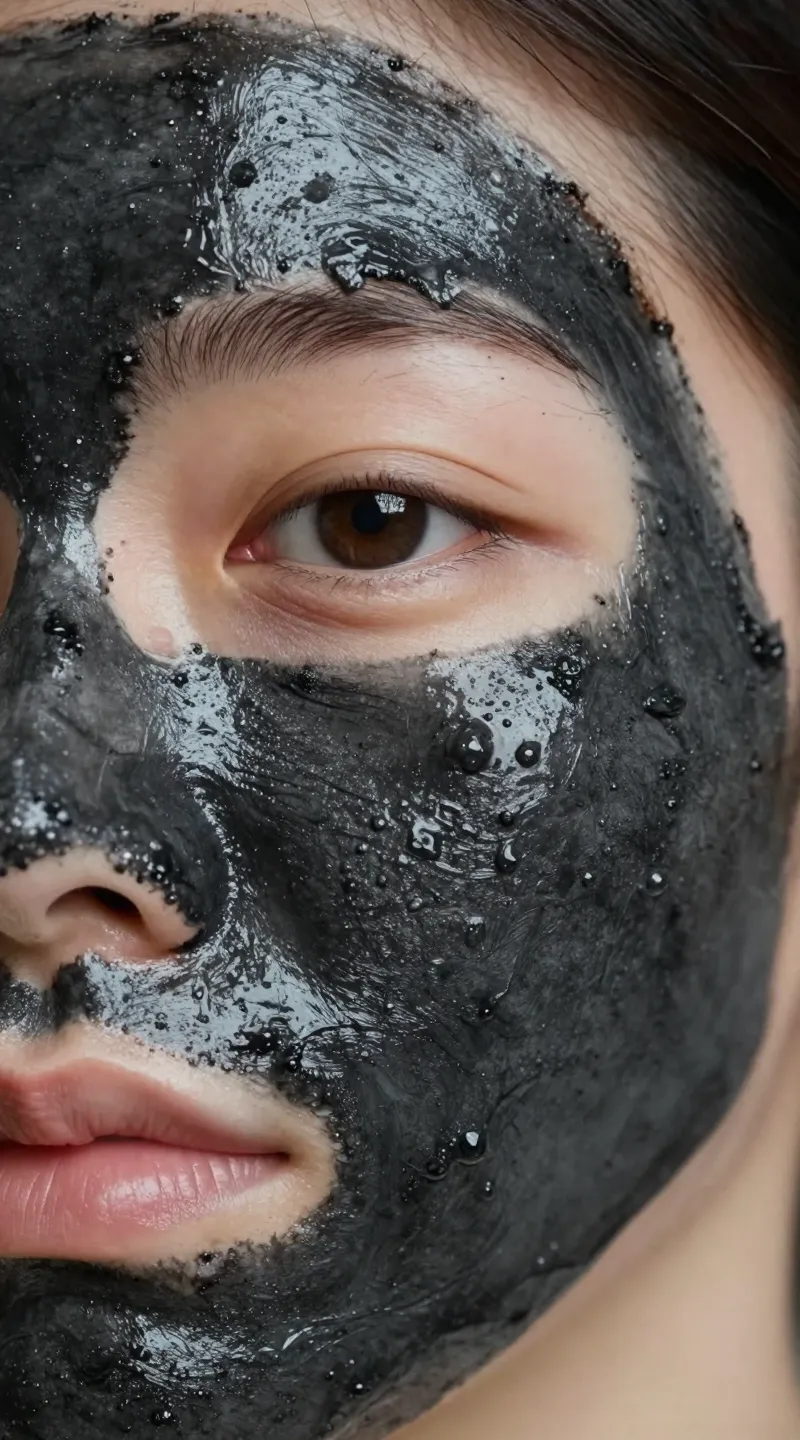
Want that post-facial feeling without the price tag? Technique matters. Don’t just slap it on and hope for the best.
- Cleanse first: Start with a gentle cleanser to remove surface dirt and sunscreen.
- Apply a thin, even layer: Avoid your eye area and keep it off your lips and eyebrows.
- Timing sweet spot: 8–12 minutes. Do not wait until it’s cracking like the Sahara.
- Rinse with lukewarm water: Use soft circular motions. A damp microfiber cloth helps.
- Hydrate immediately: Follow with a soothing toner and a humectant serum (hello, hyaluronic acid).
- Seal it in: Finish with moisturizer. At night, consider a barrier-repair cream.
Pro Tips You’ll Actually Use
- Multi-mask: Only apply to oily/congested zones. Your cheeks may not need it.
- Don’t over-dry: If it starts to itch or crack, rinse. Over-drying = irritation, IMO.
- Pre-steam hack: A warm shower or warm compress before masking opens things up for better results.
Ingredients That Make a Difference
Not all black masks are created equal. Scan the label like you’re speed-reading memes.
- Activated Charcoal: Adsorbs impurities and pollution gunk.
- Bentonite or Kaolin Clay: Absorbs oil; kaolin is gentler, bentonite is stronger.
- Salicylic Acid (BHA): Unclogs pores from the inside—great for blackheads.
- Niacinamide: Calms redness, regulates oil, supports your barrier.
- Aloe or Panthenol: Adds soothing hydration so you don’t overstrip.
- Tea Tree or Willow Bark: Optional breakout support—use sparingly if you’re sensitive.
What to Skip
- Harsh fragrance or menthol overload: Sensory, yes. Skin-friendly, not always.
- Peel-off charcoal masks: Entertaining but can yank at your barrier. Hard pass, IMO.
Real Talk: The Detox Myth vs. Real Detox
Your skin doesn’t “purge toxins” like a juice cleanse. It does, however, collect pollutants and oil that clog pores and dull your glow. Black face masks bind to impurities and excess sebum, which delivers that fresh, clarified look. Does that count as detox? In the skincare world, yes—just not in the literal medical sense. Glad we cleared that up.
What Results You Can Expect

You’ll notice immediate smoothness and a reduction in shine after the first use. Pores look smaller because they’re cleaner (they don’t actually shrink, but they appear tighter). Over a few weeks, you can see fewer whiteheads and blackheads, plus more even texture. The glow? That’s your natural skin, minus the buildup.
Pairing With the Rest of Your Routine
- Before big events: Mask the night before, not an hour before makeup. Give your skin time to settle.
- With exfoliants: Alternate nights with AHAs/BHAs to avoid over-exfoliation.
- With retinoids: Use the mask on a non-retinoid night to keep irritation low.
DIY vs. Store-Bought: Which Wins?
DIY can be fun, but consistency and safety matter. Store-bought masks use stable concentrations and balanced pH. If you want to experiment, keep it simple: kaolin clay + filtered water + a tiny pinch of activated charcoal. Avoid lemon juice or baking soda—your barrier will file a complaint.
Budget-Friendly Picks
– Look for drugstore options with charcoal + kaolin and minimal fragrance.
– Powder masks you mix with water last longer and give you control over thickness.
– Starter tip: choose a mask that lists charcoal or kaolin in the first 5–7 ingredients.
FAQ
Will a black face mask remove blackheads instantly?
It helps loosen debris and absorb oil, which makes blackheads look smaller and easier to extract later. Instant magic? Not quite. Consistency plus gentle exfoliation (salicylic acid) wins.
Can I use a black face mask with retinol?
Yes, but not on the same night if you’re sensitive. Alternate nights to avoid dryness and irritation, and moisturize generously.
Is it safe for sensitive skin?
Sometimes, with the right formula. Choose a clay-forward mask with soothing ingredients and skip peel-off versions. Patch test on your jawline first, FYI.
How long should I leave it on?
About 8–12 minutes. Rinse before it dries completely to protect your barrier and keep the finish comfortable, not tight.
Why does my skin look red after?
Mild temporary redness can happen from increased circulation or removal friction. If it stings or stays irritated, switch to a gentler formula and shorten the wear time.
Can I use it in the morning?
Sure, especially if you want a matte, makeup-ready base. Follow with a light moisturizer and sunscreen. No excuses on the SPF.
Conclusion
Black face masks deliver deep cleansing and detox benefits you can actually see and feel—less shine, cleaner-looking pores, and smoother texture. Pick a solid formula, don’t let it dry to a crust, and pair it with hydrating products. Do that, and your skin will serve clean, confident energy on the regular. And yes, your T-zone will finally chill.