
Oily skin feels like that friend who shows up uninvited and refuses to leave. You wash your face, it looks great for an hour, and then boom—shine city. I’ve been there, blotting papers in every bag and still wondering why my pores looked like they needed their own ZIP code. A face mask for oily skin changed the game for me, and yes, it actually worked. Ever wondered why the right mask makes such a huge difference?
Let’s talk real solutions, not wishful thinking.

Why Oily Skin Needs Face Masks
Oily skin doesn’t need to feel greasy all the time. It just needs balance.
Oil Production Needs Control, Not Punishment
Your skin produces oil for a reason. Harsh products trigger even more oil.
Masks help regulate instead of attack.
Pores Love a Deep Clean
Oil stretches pores over time. Face masks pull out buildup and help pores look tighter.
Cleaner pores look smaller. Simple math.
Regular Masking Improves Skin Texture
Consistent masking smooths skin and reduces congestion. Skin feels fresher overall.
That clean feeling lasts longer.
What a Face Mask for Oily Skin Actually Does
A good face mask for oily skin targets oil without stripping moisture.
It helps:
- Absorb excess oil
- Minimize the look of pores
- Prevent breakouts
- Balance skin over time
No miracles, just smart skincare.
Key Ingredients That Work Best for Oily Skin
Ingredients matter more than hype.
Clay: The Oil-Absorbing Hero
Clay masks work like magnets for oil.
Popular options include:
- Kaolin clay for gentle oil control
- Bentonite clay for deep pore cleansing
Clay keeps shine under control without wrecking your skin barrier.
Charcoal for Deep Detox
Charcoal pulls out dirt, oil, and pollution.
It works best if your pores clog easily.
Salicylic Acid for Breakout Control
Salicylic acid penetrates pores and clears oil buildup.
Acne-prone oily skin loves it.
Niacinamide for Balance
Niacinamide reduces oil production and improves pore appearance.
FYI, it also strengthens skin over time.

How Face Masks Help Minimize Pores
Pores don’t open and close, despite what the internet says.
Clean Pores Look Smaller
When oil and debris stretch pores, they appear larger. Masks clean them out.
Cleaner pores reflect light better.
Oil Control Prevents Stretching
Less oil means less pore stretching.
Consistency keeps pores looking refined.
Types of Face Masks for Oily Skin
Not all masks work the same way.
Clay Masks
Clay masks absorb oil and unclog pores.
Best for:
- Very oily skin
- Enlarged pores
Use 1–2 times a week.
Gel Masks
Gel masks hydrate lightly while controlling oil.
Best for:
- Dehydrated oily skin
- Hot, humid weather
They feel refreshing.
Peel-Off Masks
Peel-off masks remove surface debris.
Use occasionally. Overuse irritates skin.
Sheet Masks for Oily Skin
Not all sheet masks hydrate heavily. Some control oil nicely.
Look for oil-balancing formulas.
DIY Face Mask for Oily Skin Recipes
You can control oil at home too.
Clay and Rose Water Mask
This combo balances and refreshes skin.
You’ll need:
- 1 tablespoon bentonite clay
- Rose water to mix
Apply for 10 minutes and rinse gently.
Skin feels matte but comfortable.
Aloe Vera and Tea Tree Mask
This mask calms breakouts.
You’ll need:
- 1 tablespoon aloe vera gel
- 2 drops tea tree oil
Apply lightly and rinse after 10 minutes.
Calm skin feels better.
Multani Mitti and Curd Mask
This classic controls oil fast.
You’ll need:
- 1 tablespoon multani mitti
- 1 tablespoon curd
Use once weekly to avoid dryness.
Balance is key.
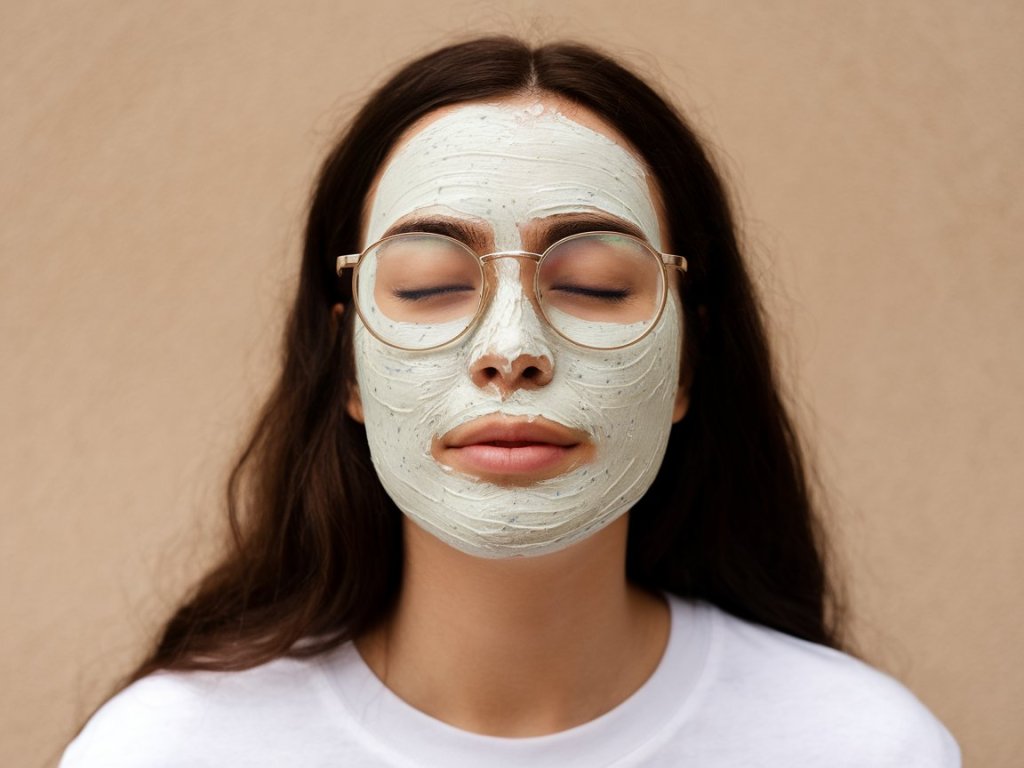
How Often Should You Use a Face Mask for Oily Skin?
More isn’t always better.
Ideal Frequency
Use a face mask 2–3 times per week. That keeps oil in check without irritation.
Overdoing it backfires.
Adjust Based on Skin Reaction
If skin feels tight or flaky, reduce frequency.
Your face always gives feedback.
How to Apply a Face Mask Correctly
Application matters more than people admit.
Start with a Clean Face
Clean skin allows ingredients to work properly.
Masks don’t clean makeup.
Apply an Even Layer
Spread evenly and avoid the eye area.
Thicker isn’t better.
Don’t Let Clay Fully Crack
Cracked clay overdrys skin. Rinse when it feels semi-dry.
Your skin will thank you.
Common Mistakes Oily Skin Makes with Masks
I’ve made all of these. Learn faster than I did.
Using Drying Masks Daily
Daily clay masks trigger more oil production.
Skin panics when overdried.
Skipping Moisturizer After Masking
Oily skin still needs moisture.
Skipping moisturizer increases oil later.
Ignoring Sunscreen
Clean pores still need protection.
Sun damage worsens pore appearance :/
Face Mask vs Daily Cleansing for Oil Control
Masks and cleansers do different jobs.
Cleansers Maintain Daily Balance
Cleansers remove surface oil and dirt.
They keep things stable.
Masks Go Deeper
Masks detox pores and control oil long-term.
They act like maintenance tools.
Face Masks and Makeup Performance
Oily skin struggles with makeup longevity.
Masks Improve Makeup Grip
Clean, balanced skin holds makeup better.
Foundation slides less.
Less Oil Means Less Shine
Oil-control masks reduce midday blotting.
Touch-ups decrease dramatically.
Best Time to Use a Face Mask for Oily Skin
Timing improves results.
Evening Works Best
Nighttime allows skin to recover.
Oil production slows during sleep.
Before Special Events
Masking before makeup smooths texture.
Your base looks flawless.
Store-Bought Face Masks for Oily Skin
DIY works, but store-bought masks offer consistency.
What to Look For
Choose masks with:
- Clay or charcoal
- Salicylic acid
- Niacinamide
- No heavy fragrance
Ingredient lists matter.
Are Expensive Masks Better?
Not always. Some budget options outperform luxury brands.
Price doesn’t equal performance.
Can Face Masks Reduce Acne for Oily Skin?
They definitely help.
Preventing Future Breakouts
Oil control reduces clogged pores.
Fewer clogs mean fewer pimples.
Calming Existing Acne
Anti-inflammatory ingredients soothe redness.
Healing speeds up.
My Personal Experience with Oily Skin Masks
Once I started masking twice a week, my pores looked cleaner and my skin stayed matte longer. I stopped panicking every time I saw shine. Also, my makeup finally stopped melting by noon.
Small changes add up IMO.
Oily Skin Myths That Need to Go
Let’s clear the confusion.
“Oily Skin Doesn’t Need Moisture”
Wrong. Dehydrated skin produces more oil.
Hydration balances everything.
“More Drying Equals Less Oil”
Also wrong. Drying masks trigger rebound oil.
Gentle control works better.
Final Thoughts on Face Mask for Oily Skin
A face mask for oily skin helps control shine, minimize pores, and prevent breakouts when used correctly. The right ingredients balance oil without stripping moisture. With consistent use, skin looks clearer, smoother, and more refined.
Oily skin doesn’t need punishment—it needs smart care. Treat it right, and it behaves 😉