An underarm glow-up doesn’t require fancy spa rituals or mystery creams. You can lighten dark underarms naturally with simple, actionable tweaks you can actually stick to. Here’s a friendly, no-nonsense guide to getting brighter skin—with real talk, quick wins, and a dash of humor.
Why Underarms Get Dark After Shaving (And Why It’s Totally Fixable)
Shaving can irritate the skin, leaving tiny micro-tears and a buildup of dead skin cells. That combination often results in a dull, darker appearance over time. Don’t freak out—your skin isn’t broken; it just needs a gentler routine and a little nourishment. FYI, consistency beats dramatic changes, so pick a couple of steps and roll with them.
Gentle Exfoliation: The Foundation
Exfoliating helps remove dead skin that makes skin look darker. Do it 2–3 times a week, but never right after shaving, when the skin is extra sensitive.
- Physical exfoliants: Use a soft scrub with fine granules or a washcloth. Be gentle—no scrubbing battleships required.
- Chemical exfoliants: Look for lactic acid or azelaic acid at low strengths (5–10%). These are kinder to sensitive underarm skin.
- DIY option: A gentle paste of brown sugar and aloe vera can do wonders. Apply, rub lightly, rinse, and pat dry.
How to exfoliate without irritation
– Always test a small patch first.
– Use lukewarm water and a light touch.
– Moisturize after exfoliating to seal in moisture.
Moisturize and Nourish: Your Best Friends
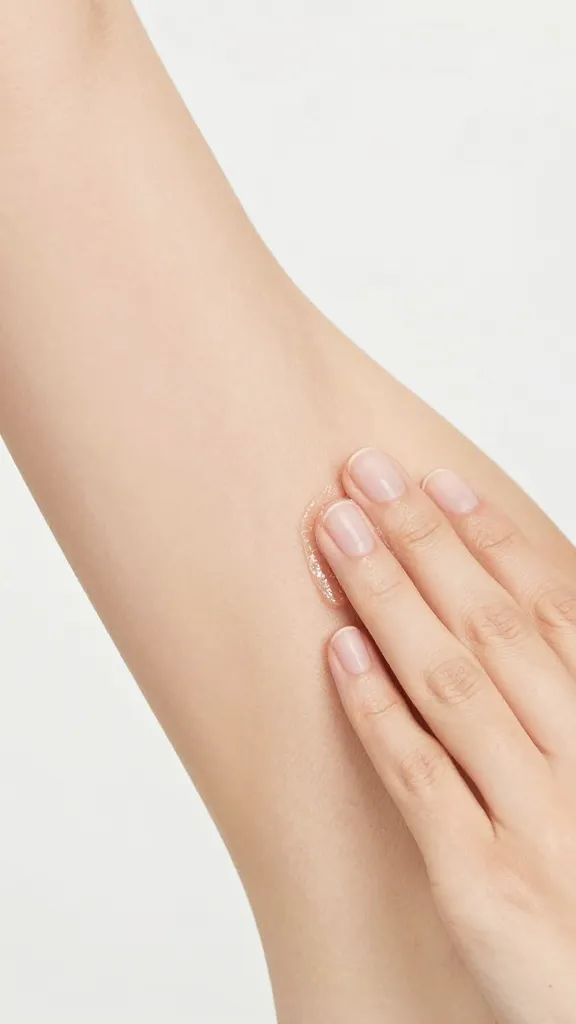
Hydration is the hero you didn’t know you needed. Dry skin peels a lot faster and looks dull, which is exactly what we’re trying to avoid.
- Aloe vera: Its soothing properties calm irritation and brighten gradually.
- Coconut oil or olive oil: Natural emollients that soften skin; use sparingly to avoid clogging pores.
- Vitamin E oil: A little goes a long way. It supports skin repair and can help reduce dark spots over time.
Spot-treatment tips
– Apply a thin layer at night and wash in the morning.
– Avoid heavy layering if you’re sweating a lot or doing activities that irritate the area.
Brightening Ingredients You Can Actually Use
Some ingredients are science-y enough to work, and friendly enough to actually apply.
- Lactic acid: Gentle exfoliant that helps fade hyperpigmentation with regular use.
- AHA/BHA blends: Keep to low concentrations for sensitive skin; not every product needs to shout.
- Niacinamide: Calms inflammation and can even out tone over time.
DIY brightening masks you can try
– Yogurt and lemon combination can feel refreshing, but lemon is phototoxic. If you go this route, apply at night and sunscreen by day.
– Turmeric paste with yogurt offers a natural glow for some folks (test for staining).
– Aloe vera with a few drops of almond oil can soothe while brightening gently.
Sun Safety: Don’t Undo Your Hard Work
Underarms aren’t exactly sun-kissed zones, but UV exposure can darken even lightly pigmented skin. If you’re shaving and exposing underarms to sun, use protection.
- SPF: Apply a broad-spectrum sunscreen with SPF 30+ on clean, dry underarms if you’ll be outside.
- Shade and timing: Try to shave in the evening or indoors when possible to limit sun contact immediately after shaving.
- Clothing: Loose, breathable fabrics reduce friction and irritation that can worsen dark spots.
Razor Care and Shaving Habits: The Real Game-Changers
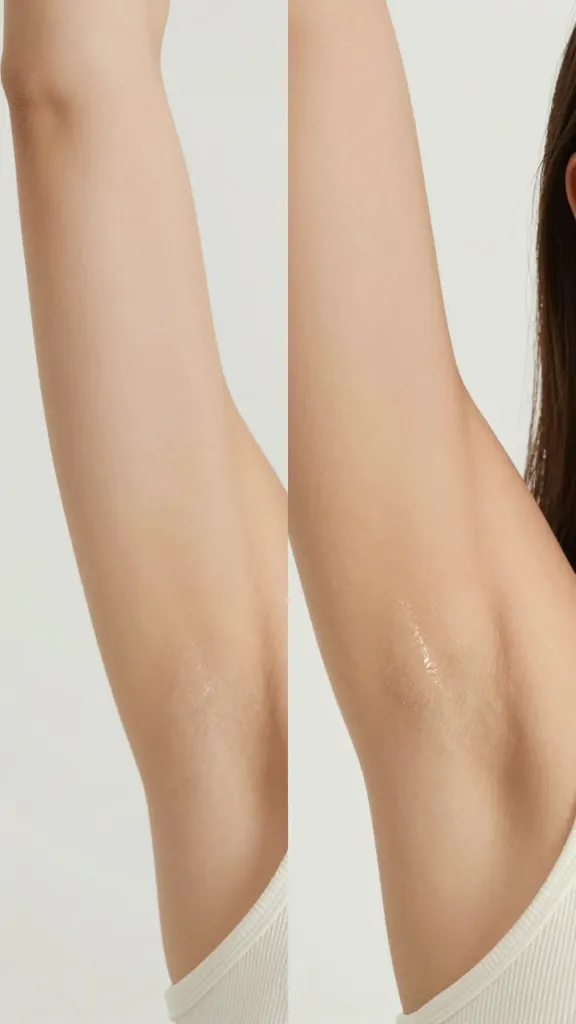
What you do before, during, and after shaving matters just as much as the products you pick.
- Shaving cream matters: Use a moisturizing, fragrance-free cream or gel. Skip alcohol-heavy products that dry skin out.
- Sharp blades: Dull blades tug at skin and increase irritation. Change blades regularly.
- Shave direction: Shave in the direction of hair growth to minimize micro-irritations. If you must go against, do it with extra care.
- Post-shave care: Rinse with cool water, pat dry, and apply a light moisturizer or aloe gel.
Consistency Wins: Building a Simple Routine
Pick 2–3 steps you can realistically maintain. Consistency compounds, while occasional bursts rarely shift the tide.
- Exfoliate 2–3 times per week (not on the same day as shaving).
- Moisturize daily with a light, non-comedogenic product.
- Apply a gentle brightening ingredient (like niacinamide or lactic acid) a few times a week.
- Practice sun safety during peak hours and when outdoors for extended periods.
Sample 2-week plan
– Week 1: Gentle exfoliation Tuesday and Saturday; moisturize daily; sunscreen if exposed.
– Week 2: Add a niacinamide-containing product in the morning; continue exfoliation twice a week; stay sun-safe.
When to Seek Extra Help
Natural remedies can take time. If you don’t see improvement after 8–12 weeks, or if you notice persistent irritation, redness, or a burning sensation, it’s worth checking in with a dermatologist. Some darker underarms may be caused by skin conditions that need professional care.
Signs you should see a dermatologist
– Sudden or patchy darkening that isn’t improving
– Severe itchiness or rashes
– Swelling or pus around the area
– History of skin conditions like eczema or dermatitis
FAQ
How long does it take to see results from natural brightening?
Natural brightening varies by person, but most see gradual improvement after 6–8 weeks of consistent care. Don’t expect miracles overnight; you’re aiming for progress, not perfection.
Can I shave with lemon or essential oils for brightening?
FYI, lemon and some essential oils can irritate sensitive underarm skin and increase photosensitivity. It’s best to avoid direct lemon juice on shaved skin and test any essential oil patch first. If it stings, stop using it.
Is deodorant making my underarms darker?
Some deodorants and antiperspirants can irritate the skin or cause staining. Look for fragrance-free, gentle formulas and avoid products with heavy alcohol content. If irritation occurs, take a break and switch products.
Should I wax or use hair removal creams instead of shaving?
Waxing or depilatory creams can reduce shaving irritation for some people, but they come with their own risks of irritation and sensitivity. If you switch, monitor how your skin responds and adjust your routine accordingly.
What foods or lifestyle changes help lightening underarms?
A balanced diet with plenty of hydration helps your skin overall. Some folks find that reducing friction-heavy clothing and staying hydrated aids healing. There’s no magic food, but overall healthy habits support your skin’s recovery.
Conclusion
Lightening dark underarms after shaving isn’t about chasing a dramatic fix. It’s about building a gentle, sustainable routine that respects your skin. Exfoliate smartly, moisturize well, and pick a couple of brightening ingredients that suit your skin. Pair that with sun protection and better shaving habits, and you’ll notice a brighter, more even tone over time. Stay consistent, stay curious, and don’t be afraid to tweak things until you find what clicks for you.