An epilator can feel like a tiny spa betrayal at first—uncomfortable, surprising, and somehow thrilling. But with the right prep, it becomes your new best friend for smooth legs, bikini lines, and confidence. Ready to tame the fur with minimal drama? Let’s dive in.
What to Expect When You First Try an Epilator
– Epilators grab hair from the root, not just shave the surface. That means a longer-lasting result, but a little more sensitivity upfront.
– You’ll likely feel a quick, sharp sting as hairs are pulled. It’s totally normal and usually fades after a few sessions.
– Results improve over time as you build a regular routine. Consistency beats intensity here.
Set Realistic Expectations
– Expect a brief learning curve. Your first use might feel like a workout for your follicles, but you’ll nail the technique fast.
– Don’t expect perfection on the first go. Focus on technique, not speed.
Prep Like a Pro: Skin, Hair, and Tools
– Clean skin is non-negotiable. Shower or take a warm bath to soften hair and open follicles.
– Dry skin adheres better to the epilator’s grip. Pat dry, don’t rub, and apply a light talc-free powder if your skin tends to be oily.
– Exfoliate 24 hours before. This helps prevent ingrown hairs and reduces the chance of stubble after your session.
Hair Length Matters
– Aim for about 0.5 to 1.0 cm of length. Too short, and the hairs might slip; too long, and the process hurts more.
– If you’ve shaved recently, wait a day or two for a bit of regrowth, then epilate. Softer stubble is easier to tackle.
Choosing the Right Epilator: Features to Look For

– Multiple speed settings: Start slow and ramp up as you gain confidence.
– Massage or cooling heads: Some models soothe the skin during use.
– Wet/dry capability: If you’re a shower-epilator fan, this is a lifesaver.
– Optional attachments: For bikini lines, underarms, or facial hair, look for precision tips.
Beginners’ Must-Haves
– A head that pivots makes following curves easier.
– A high-quality tweezer mechanism reduces pulling and minimizes irritation.
– A rechargeable battery with decent life helps you avoid mid-session buzzkill.
Technique Mastery: The Move, Not the Pace
– Hold the skin taut. This reduces hair snagging and gives you a cleaner pull.
– Move in small, controlled motions against the hair growth direction. Don’t rush—quality over speed.
– Don’t press hard; let the device do the work. You’ll feel the friction, not a deep burn.
Common Mistakes to Avoid
– Using a cold or stiff skin right after a shower. Warmth and moisture can soften the area and reduce discomfort.
– Going over the same area repeatedly. If a hair doesn’t come out, switch to a new area and come back later.
– Jumping straight into sensitive zones. Start with legs or calves before braving bikini lines.
Managing Pain: Tips to Keep It Wearable
– Try a numbing cream only if prescribed or recommended by a professional. IMO, most beginners do fine with a good routine and a bit of patience.
– Use a cooling gel after epilating to calm irritated skin.
– Consider a warm shower before starting to open up pores, not after. Office hotter than the sun? No thanks.
Timing and Frequency
– Start with every 2-3 weeks as your hair regrows. Then adjust based on how quickly your hair returns.
– Don’t try to epilate every day when you’re just starting. Your skin needs time to adapt.
Post-Epilation Care: Seal the Deal
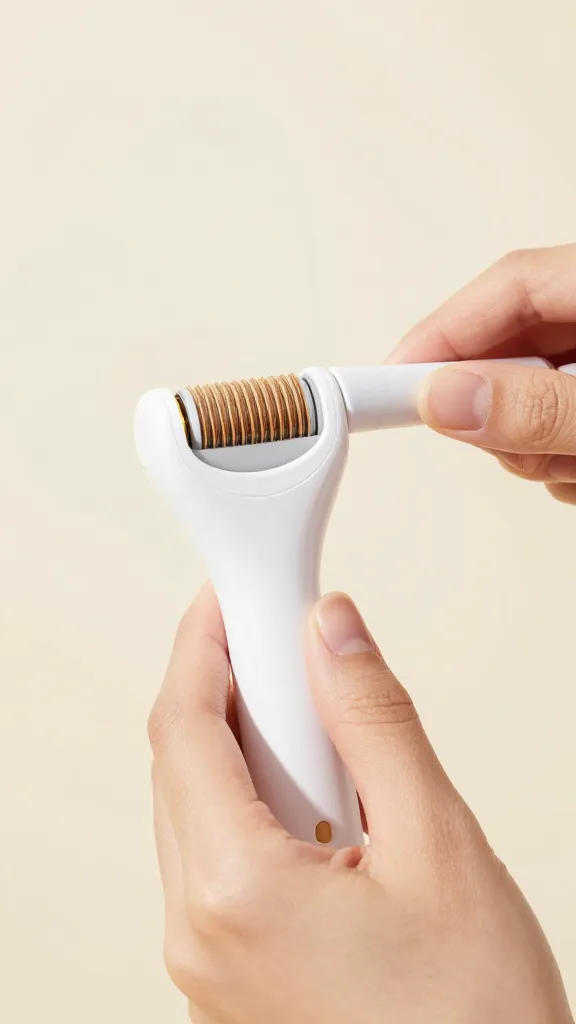
– Soothe with a fragrance-free lotion or aloe gel. Pro tip: avoid heavy perfumes right after.
– Wear breathable fabrics for the first 24 hours; no tight leggings if you want to minimize irritation.
– Exfoliate gently 2-3 times a week after your session to reduce ingrown hairs.
Dealing with Irritation
– If you notice redness that lasts beyond a day, give the area a break and rehydrate the skin.
– If you see a few bumps, don’t panic. A gentle exfoliation and a soothing product can help.
Maintenance: Cleaning Your Epilator Like a Pro
– Clean the head after each use to remove hairs and skin debris. A quick rinse with warm water and a touch of soap does the trick.
– Let the head dry completely before storing to prevent mold or odor.
– Check the hair collection chamber—empty it regularly to keep performance at peak.
Safe Storage Tips
– Store in a dry place away from moisture, heat, and direct sunlight.
– If your model has removable heads, keep them clean and dry to preserve the mechanism.
FAQ
Is epilation painful for beginners?
Painless is a myth here, but the discomfort usually eases as your skin adapts. Start slow, use a lower speed, and build up as your tolerance grows. FYI, most people report the first session as the most intense.
How long does hair need to be to epilate?
Aim for about 0.5 to 1.0 cm. If hair is too short, it won’t grab; too long and it hurts more. Regular trimming can help you stay in the sweet spot.
Can I epilate in the shower?
If your epilator is rated for wet/dry use, yes. The shower can soften skin and hair, making the process smoother. Just be mindful of the device’s water resistance and battery life.
How often should I exfoliate when using an epilator?
Exfoliate 2-3 times a week after your first couple of sessions to prevent ingrown hairs. Do not over-exfoliate, which can irritate fresh skin.
What should I do if I cut myself mildly?
Rinse with clean water and apply a gentle antiseptic if needed. If the cut is more than a light scratch, seek medical advice. For minor irritation, a calm, fragrance-free moisturizer helps.
Is epilation suitable for all skin tones and hair types?
For the most part, yes. People with coarse or thick hair often notice quicker results. Those with very sensitive skin should test on a small area first and consider softer settings.
Conclusion
Epilating as a beginner isn’t about mastering a magic trick in one go. It’s about building a routine that respects your skin, your pace, and your comfort zone. With the right prep, a patient approach, and a trusty epilator, you’ll trade fear for smooth confidence. So, are you ready to start your first session and skip the razor drama? FYI, your future self will thank you.