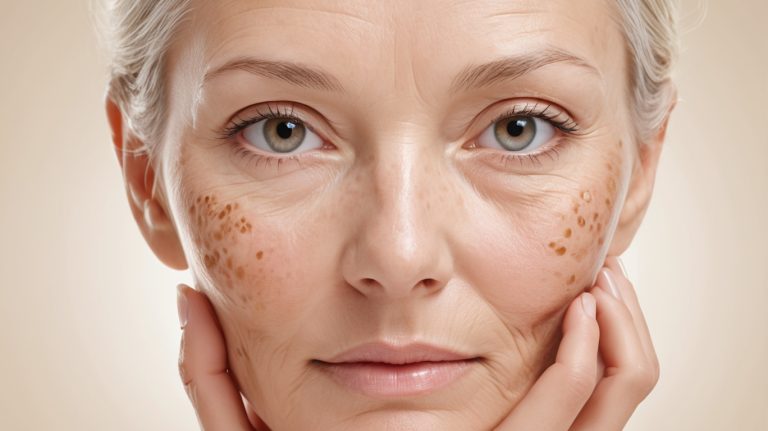
Let’s talk about black face masks for a second. You’ve seen them all over social media, right? Someone peels one off dramatically, makes a weird face, and suddenly their pores look invisible. It looks satisfying, slightly terrifying, and very tempting. But beyond the drama, black face mask skincare actually delivers real benefits when you use it correctly.
I started using black masks during a “my pores hate me” phase. Oily skin, clogged pores, and that gritty texture no one talks about but everyone secretly hates. Sound familiar? Good. Let’s break down what black face masks really do, how to use them without wrecking your skin, and why they deserve a spot in your routine.
What Is a Black Face Mask, Really?
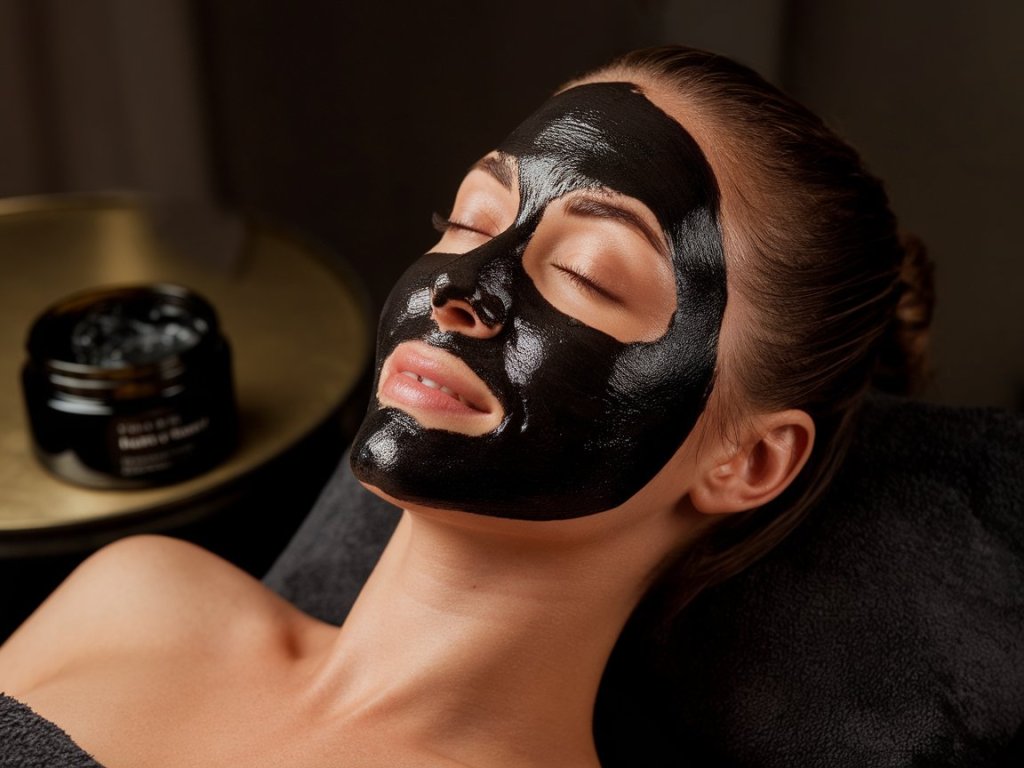
A black face mask focuses on deep cleansing and detoxifying the skin. Most formulas rely on ingredients like activated charcoal, black clay, or volcanic ash. These ingredients attract impurities like magnets.
Black masks don’t just sit on your skin looking mysterious. They actively pull out:
- Excess oil
- Dirt and pollution
- Dead skin cells
- Pore-clogging debris
That’s why your skin often feels smoother right after use. Ever wondered why your face feels lighter afterward? That’s the junk leaving the building.
Why Activated Charcoal Steals the Spotlight
Activated charcoal does the heavy lifting in most black face masks. It binds to impurities and lifts them away from your skin.
Benefits of Activated Charcoal
- Absorbs excess oil without overdrying
- Cleans pores deeply, not just on the surface
- Reduces the look of blackheads
- Balances oily and combination skin
I noticed fewer clogged pores after a few weeks of consistent use. No miracles, just steady improvement—and that’s the good kind.
Black Clay vs Charcoal Masks: What’s the Difference?
Not all black face masks behave the same way.
Charcoal Masks
- Focus on detoxifying
- Ideal for oily and acne-prone skin
- Feel slightly drying
Black Clay Masks
- Offer mineral-rich nourishment
- Feel gentler on sensitive skin
- Improve texture over time
IMO, charcoal works better for congestion, while black clay suits maintenance days. Choosing the right one saves your skin from unnecessary stress.
Skin Types That Benefit Most from Black Face Masks
Black face masks shine brightest for certain skin types.
Best Matches
- Oily skin that produces excess sebum
- Combination skin with congested T-zones
- Acne-prone skin dealing with clogged pores
Dry or sensitive skin can still use them, but moderation matters. Balance always wins in skincare.
How Black Face Masks Help with Blackheads
Yes, the name checks out.
Black face masks:
- Soften clogged pores
- Draw out trapped oil
- Reduce surface buildup
They won’t permanently erase blackheads, but they make pores look cleaner and tighter. Ever notice how makeup applies better afterward? That’s the payoff.
Detoxifying Benefits of Black Face Mask Skincare
Your skin faces pollution, sweat, makeup, and stress daily. Black masks help reset the surface.
Detox Effects You’ll Notice
- Fresher-looking skin
- Less visible pores
- Reduced shine
- Smoother texture
I love using a black mask after long days outside. It feels like hitting a reset button for my face.
Peel-Off vs Wash-Off Black Face Masks
This matters more than people admit.
Peel-Off Masks
- Remove surface debris dramatically
- Provide instant smoothness
- Can irritate sensitive skin
Wash-Off Masks
- Clean deeply without tugging
- Feel gentler and more controlled
- Suit regular use
FYI, peel-off masks look cool but don’t always love your skin back. I stick with wash-off versions most of the time.
How to Prep Your Skin Before a Black Face Mask
Prep changes everything.
Step-by-Step Prep
- Cleanse thoroughly
- Use warm water or a warm towel
- Avoid harsh scrubs beforehand
Clean pores respond better. Dirty skin just blocks results.
How to Apply a Black Face Mask Correctly
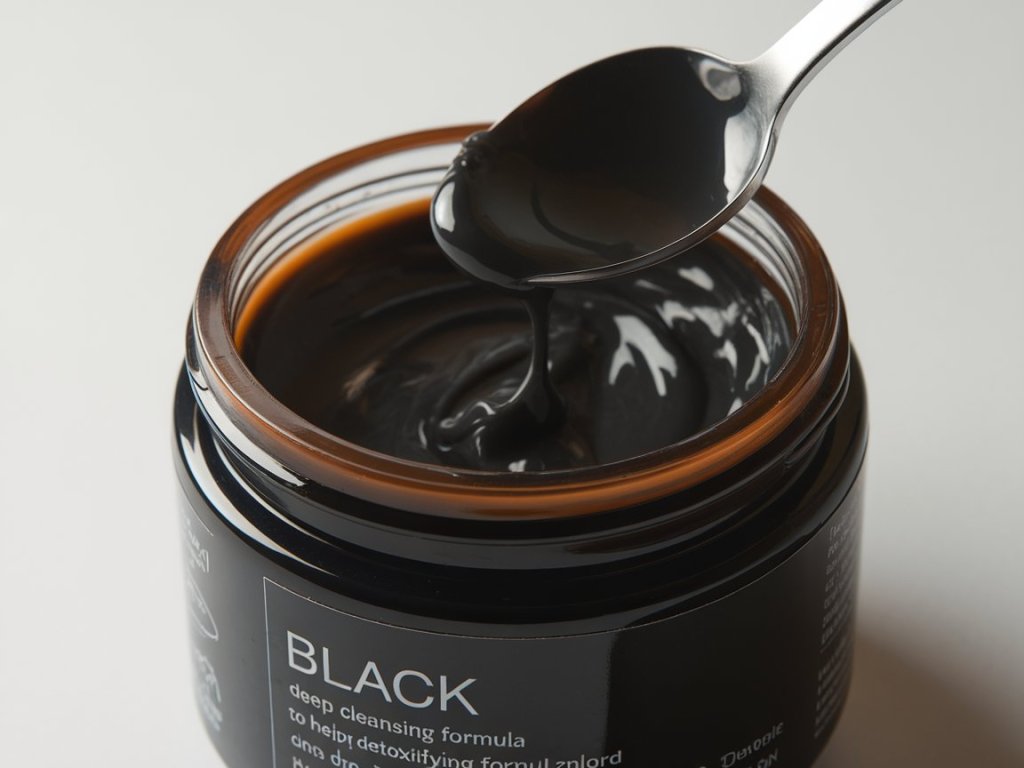
Application technique matters more than you think.
Best Practices
- Apply an even layer
- Avoid eyebrows and hairline
- Skip the eye and lip area
I learned the eyebrow lesson the hard way. Trust me, hair removal was not part of the plan.
How Long Should You Leave It On?
More time doesn’t mean better results.
Ideal Timing
- 10–15 minutes for charcoal masks
- 15–20 minutes for clay masks
Remove the mask once it dries or starts tightening. Waiting longer only risks irritation.
How Often Should You Use a Black Face Mask?
Consistency beats intensity every time.
Recommended Frequency
- Oily skin: 1–2 times per week
- Combination skin: 1 time per week
- Sensitive skin: Every 10–14 days
Overuse strips natural oils, and stripped skin produces more oil. Yes, skin loves irony.
Black Face Mask for Acne-Prone Skin
Black masks help acne when you use them wisely.
How They Support Acne Care
- Reduce oil buildup
- Keep pores cleaner
- Calm surface inflammation
They don’t replace acne treatments, but they support a cleaner skin environment. That matters.
Black Face Mask for Enlarged Pores
No mask permanently shrinks pores, but black masks help them look tighter.
Why Pores Look Smaller
- Less oil buildup
- Cleaner pore openings
- Smoother surface texture
The visual improvement alone feels worth it.
Post-Mask Skincare Routine Matters
What you do after the mask seals the deal.
Aftercare Steps
- Rinse with cool water
- Apply alcohol-free toner
- Use a lightweight moisturizer
Never skip moisturizer. Hydrated skin stays balanced and calm.
DIY Black Face Mask vs Store-Bought
Both options work when done right.
DIY Masks
- Simple ingredients
- Budget-friendly
- Customizable
Store-Bought Masks
- More stable formulas
- Stronger detox power
- Convenient
I alternate between both depending on my mood and skin needs. Flexibility keeps skincare fun.
Common Mistakes to Avoid with Black Face Masks
Even good products need boundaries.
Mistakes That Hurt Results
- Using too often
- Applying on broken skin
- Skipping moisturizer afterward
- Ripping peel-off masks aggressively
Gentle care always wins long-term.
Can Black Face Masks Cause Breakouts?
Sometimes, yes—and that doesn’t mean failure.
Why It Happens
- Pores purge trapped debris
- Skin adjusts to detox ingredients
Temporary breakouts usually calm down within days. If irritation lasts, stop immediately.
Black Face Mask Skincare for Men
Men love black masks for practical reasons.
Why Men Use Them
- Control oil
- Clean pores deeply
- Improve shaving smoothness
Simple, effective, no fuss. That’s a solid deal.
When to Avoid Black Face Masks
Black masks don’t suit every situation.
Avoid use if you have:
- Active sunburn
- Open wounds
- Severe sensitivity
- Recent chemical peels
Listening to your skin prevents regret later.
Final Thoughts on Black Face Mask Skincare
Black face masks don’t exist just for dramatic peel videos. They deep clean, detoxify, and refresh your skin when used correctly. The key lies in moderation, proper prep, and solid aftercare.
If your skin feels congested, oily, or overwhelmed, black face mask skincare offers a practical reset. No magic, no gimmicks—just cleaner pores and smoother texture. And honestly, that’s more than enough to keep them in my routine.