Shine by lunchtime? Makeup sliding off your face like a penguin on ice? You’re not alone. Oily skin can be high-maintenance, but the right face mask can reset your glow from “grease” to “glass.” Let’s talk formulas, not fluff, so you can pick a mask that keeps oil in check and pores looking snatched—without wrecking your skin barrier.
Why Oily Skin Loves a Good Mask
Oily skin pumps out sebum like it’s a full-time job. Masks help by absorbing excess oil, unclogging pores, and smoothing texture fast. The right formula gives you instant matte vibes and long-term pore refinement.
Bonus: masking 1–3 times weekly can keep breakouts from forming in the first place. Think of it as routine maintenance, not a rescue mission.
The MVP Ingredients For Shine Control
Not all masks work equally. Look for these heavy hitters that play nice with oily, pore-prone skin.
- Kaolin and Bentonite Clays: Top-tier oil absorbers. Bentonite is stronger; kaolin is gentler.
- Salicylic Acid (BHA): Oil-soluble exfoliant that dives into pores to dissolve gunk.
- Niacinamide: Helps regulate oil and tighten the look of pores over time. Also soothes—win-win.
- Charcoal: Great for drawing out impurities, especially in congested T-zones.
- Sulfur: Targets acne-causing bacteria and reduces oil production. Slight scent, big results.
- Zinc PCA: Calms skin and moderates sebum without drying you out.
- Green Tea or Centella: Antioxidant and soothing support to keep irritation down.
Best Types Of Face Masks For Oily Skin

Choosing form matters almost as much as choosing ingredients. Here’s the tea on formats.
Clay Masks (Your Everyday Hero)
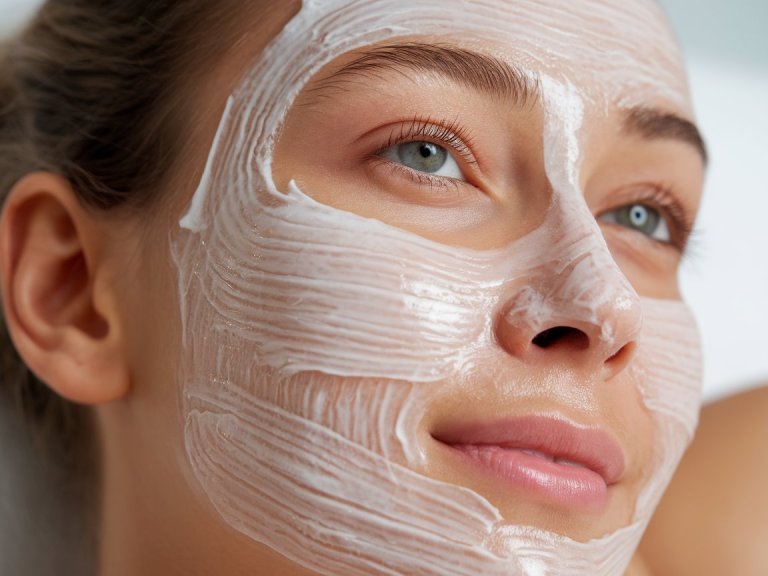
Clay masks are the classic for a reason. They absorb oil, reduce shine fast, and make pores look tighter. Leave them on for 5–10 minutes—do not let them fully crack or you’ll dehydrate your skin.
Exfoliating Masks (Use 1x Weekly)
Look for salicylic acid or a gentle mix of AHAs/BHAs. They smooth texture, clear blackheads, and refine pores. Keep it to once weekly if you’re also using chemical exfoliants in your routine, FYI.
Sulfur Treatment Masks (Breakout-Rescue)
These help when your skin feels like it’s plotting against you. Sulfur calms inflammation and staunches oil. Great as a T-zone spot treatment if your cheeks run normal or dry.
Hydrogel or Cream-Clay Hybrids (For Balance)
Oily doesn’t mean invincible. If you strip your skin, it may produce more oil—love that for us. Cream-clay hybrids give that matte finish without the tight, chalky aftermath.
How To Mask Like A Pro (Without Wrecking Your Barrier)
- Cleanse: Use a gentle gel cleanser. Skip harsh scrubs—your mask will do the heavy lifting.
- Apply Evenly: Thin layer over oily zones; go lighter on normal areas.
- Timing: 5–10 minutes for clay. If it starts cracking, you waited too long.
- Remove Gently: Lukewarm water and soft cloth if needed. No aggressive rubbing.
- Rehydrate: Follow with niacinamide serum and a light, non-comedogenic moisturizer.
- Finish With SPF (Daytime): Matte gel SPF keeps shine and UV damage in check. Non-negotiable.
Multi-Masking: The Smart Shortcut
Oilier T-zone but normal cheeks? Use a clay or sulfur mask on the T-zone and a hydrating mask on the rest. Custom routine, minimal effort—IMO the best of both worlds.
Editor’s Shortlist: Masks That Deliver
Not sponsored, just effective options across budgets. Patch test first, of course.
- Kaolin/Bentonite + BHA Combo: Look for clay masks spiked with 2% salicylic acid for deeper pore clean-out.
- Sulfur 10% Mask: Great for weekly use or T-zone only. Expect clearer, less shiny skin.
- Charcoal + Niacinamide Clay Masks: Balance oil without the Sahara effect. Good for sensitive oily types.
- Zinc + Green Tea Gel Mask: Ideal when you’re oily and irritated. Soothes while keeping sheen down.
- Enzyme/BHA Exfoliating Masks: Use once weekly for texture and blackhead control.
If you prefer clean-leaning formulas, prioritize fragrance-free and alcohol-free options to keep irritation low.
Pairing Masks With Your Routine (So Everything Plays Nice)

The mask is one piece of the puzzle. Stack your routine to support it.
- AM: Gel cleanser → Niacinamide serum → Lightweight moisturizer → Matte SPF.
- PM: Cleanser → Mask (1–3 nights/week) → Hydrating toner or essence → Oil-free moisturizer.
- Exfoliation Nights: If using a BHA toner/serum, skip exfoliating masks that night to avoid overdoing it.
- Retinoid Users: On retinoid nights, choose gentle clay masks without acids. Your barrier will thank you.
Ingredients To Avoid Together
- Strong acids + retinoids + sulfur all in one night = angry skin.
- High alcohol + strong clays can cause rebound oiliness. Balance, not burn.
How To Tell If A Mask Is Working
You should see less midday shine and smoother-looking pores after a few uses. Makeup should grip better. Blackheads will look smaller and fewer with consistent use.
Red flags? Tightness that lingers, flaky patches, or increased redness. Scale back to once weekly or switch to gentler clays and add niacinamide for balance. FYI, pores don’t “open” or “close,” but they can look smaller when they’re clean and the surrounding skin is calm.
FAQs
How often should I use a face mask for oily skin?
Start with 1–2 times per week. If your skin tolerates it and you’re extra shiny, go up to 3 times weekly. Listen to your skin—if you feel tight or stingy afterward, reduce frequency.
Can masks actually minimize pores?
Masks can’t shrink pore size permanently, but they can reduce the appearance by clearing blockages, calming inflammation, and controlling oil. Clean pores look smaller—optical win.
What’s better: clay or charcoal for oily skin?
Clay does the heavy lifting for oil absorption. Charcoal boosts impurity draw-out but needs a clay base to shine (pun intended). Best combo: kaolin/bentonite + charcoal + salicylic acid.
Will masking make me break out?
It shouldn’t—if you choose non-comedogenic, fragrance-free formulas and don’t over-exfoliate. If breakouts spike, you may be overdoing acids or leaving masks on too long. Keep it to 5–10 minutes and moisturize afterward.
Can I mask the morning of a big event?
Yes, but keep it gentle. Use a light clay mask for 5 minutes to de-shine, follow with a hydrating gel and a gripping primer. Your foundation will glide and last longer.
What if my skin is oily and sensitive?
Pick fragrance-free masks with kaolin (softer than bentonite), niacinamide, and green tea. Avoid high acid percentages and use once weekly. Patch test on your jawline first—IMO always worth the 24 hours of patience.
The Bottom Line
For oily, pore-prone skin, the best masks combine clay for oil control with BHA or sulfur for congestion and niacinamide for balance. Use them 1–3 times a week, don’t let them fully dry, and follow with lightweight hydration. Do that, and your glow stays intentional—not accidental—and your pores will look smoother every week. Your T-zone can calm down now.