An uncomfortable shave should be a one-and-done problem, not a monthly saga. Here’s the friendly guide to post-shave bliss that keeps bumps away and confidence high. You’ll learn practical tips, quick routines, and a few science-y tidbits that actually make sense.
What Happens After Shave That Causes Bumps?
Razor bumps and ingrown hairs usually show up when the skin’s barrier gets irritated, or when hairs curl back into the skin. Friction, dull blades, and dry skin are not friends. FYI, your skin needs a tiny aftercare ritual to stay calm and clear. The goal: reduce inflammation, soften hair, and seal moisture in without clogging pores.
Step 1: Cleanse Without Overwashing
– Use a gentle cleanser right after shaving to rinse away soap, oils, and stray hair fragments.
– Avoid harsh scrubs immediately after shaving; they roughen the skin and invite irritation.
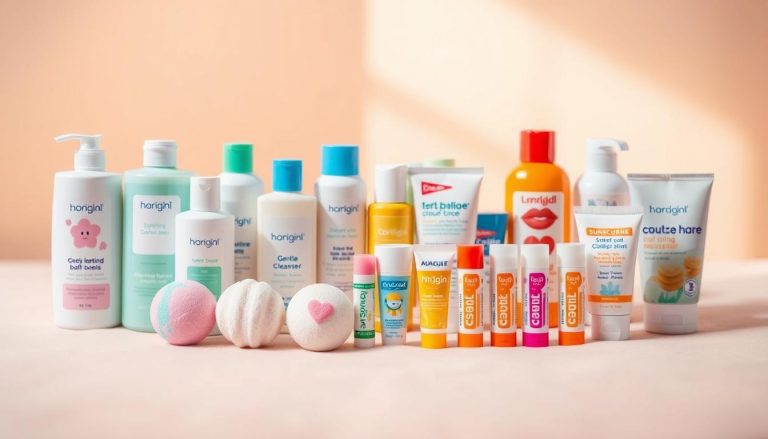
– Consider a soothing, pH-balanced cleanser that respects your skin’s natural barrier.
Why this matters
Cleansing sets the stage for calming ingredients to do their work. If you scrub too hard or strip away moisture, you’ll trade one problem for another: irritated skin and more bumps.
Step 2: Soothe with a Post-Shave Serum or Toner

– Look for serums with soothing ingredients like aloe, chamomile, and niacinamide.
– Toners with soothing pans: witch hazel can be gentle if you have sensitive skin; skip if you’re dry or flaky.
– Apply while the skin is still lightly damp to lock in hydration.
What to avoid
Fragrance, essential oils, and high-alcohol toners can sting and trigger irritation. If you’re sensitive, test on a small patch first and go fragrance-free.
Step 3: Lock It In with Moisture
– A lightweight, non-comedogenic moisturizer is your best friend. Look for ceramides, hyaluronic acid, or glycerin.
– For drier skin, layer a dampening spray or essence before your moisturizer to boost hydration.
– Sunscreen is non-negotiable during the day, even if you’re indoors most of the time.
Moisturizer pick-me-up
– If you’re prone to bumps, choose products labeled “non-comedogenic” and “oil-free” to avoid clogging follicles.
– For extra calming relief, a moisturizer with allantoin or colloidal oatmeal can help reduce redness.
Step 4: Targeted Treatments for Bumps and Ingrown Hairs
– Use a product with salicylic acid (BHA) a few times a week to exfoliate inside pores and hairs’ exit routes.
– A retinoid can help with cell turnover, but start slowly and avoid if you’re pregnant or breastfeeding without medical advice.
– Antibiotic ointments aren’t for routine use; only consider if you notice signs of infection (pus, increasing redness, warmth).
Subsection: The “Spot” Strategy
– For stubborn bumps, apply a tiny amount of benzoyl peroxide or tea tree oil-based product on the bump only, not across the entire area.
– Don’t overdo it—treating the problem area but allowing the rest of your skin to breathe works best.
Step 5: Shaving Habits That Prevent Bumps in the First Place

– Shave with the grain or with a gentle, unhurried stroke. Against-the-grain shaving often causes irritation and ingrown hairs.
– Use a sharp, clean razor and replace blades regularly. Dull blades tug at skin and raise the risk of razor burn.
– Prep your skin with warm water and a hydrating shave cream or gel. Hydrated skin = smoother passes.
Tools that actually help
– A multi-blade razor vs. a single blade? Many people find multi-blade razors safer, but it’s about comfort. If a single blade works better for your skin, use that.
– Consider a shaving brush or a dedicated applicator to spread product evenly.
Step 6: Exfoliation: When and How Much
– Gentle exfoliation helps hairs emerge correctly and reduces ingrown risk. Do not scrub aggressively right after shaving.
– Use chemical exfoliants (like BHA) 1-2 times a week or as tolerated.
– Physical exfoliation should be very gentle, no rough scrubs on freshly shaved skin.
A quick routine you can actually stick to
– Post-shave: cleanse lightly.
– 24 hours later: gentle exfoliation with a mild chemical exfoliant.
– Nightly: a soothing moisturizer to maintain barrier strength.
Step 7: Lifestyle Tweaks That Help
– Hydration and a balanced diet can influence skin health. Hydration isn’t a magic bandage, but it helps your skin perform better.
– Don’t skip sunscreen; UV damage can worsen irritation and pigmentation from shaving.
– If you’re prone to post-shave irritation, avoid highly fragranced products for a while.
Frequently Asked Questions
Does shaving right after washing help prevent bumps?
Yes. Clean skin with a gentle product reduces debris that can clog follicles and irritate skin. Always use a hydrating shaving cream or gel so blades glide smoothly.
Can I shave every day without causing bumps?
If your skin tolerates daily shaving, you can, but listen to your skin. If you notice redness, rough patches, or bumps, give skin a break and adjust your routine. Softer skin is easier to shave, so pre-shave hydration helps.
Is alcohol in post-shave products a deal-breaker for sensitive skin?
Alcohol can sting and dry out skin, especially after shaving. If you have sensitive skin, avoid high-alcohol toners and choose alcohol-free options.
What about men’s products for women? Can I use them?
Some products work well across genders, but not all. Look for fragrance-free, non-comedogenic formulas. If you find a line that suits your skin, great—just tailor it to your needs.
Do ingrown hairs require a dermatologist?
Most ingrown hairs respond to a routine with gentle exfoliation, barrier repair, and targeted treatments. If you notice persistent bumps, severe pain, or infection signs, see a dermatologist.
Conclusion
Post-shave care for women doesn’t have to be a mystery or a chore. With a simple routine—cleanse gently, soothe, lock in moisture, and treat trouble spots—you can drastically cut down on razor bumps and ingrown hairs. Remember: patience, consistency, and a dash of experimentation are your friends. FYI, tiny tweaks can yield big results, and you deserve skin that looks as good as it feels. If you want, we can tailor a quick one-week plan focused on your skin type and shaving routine.